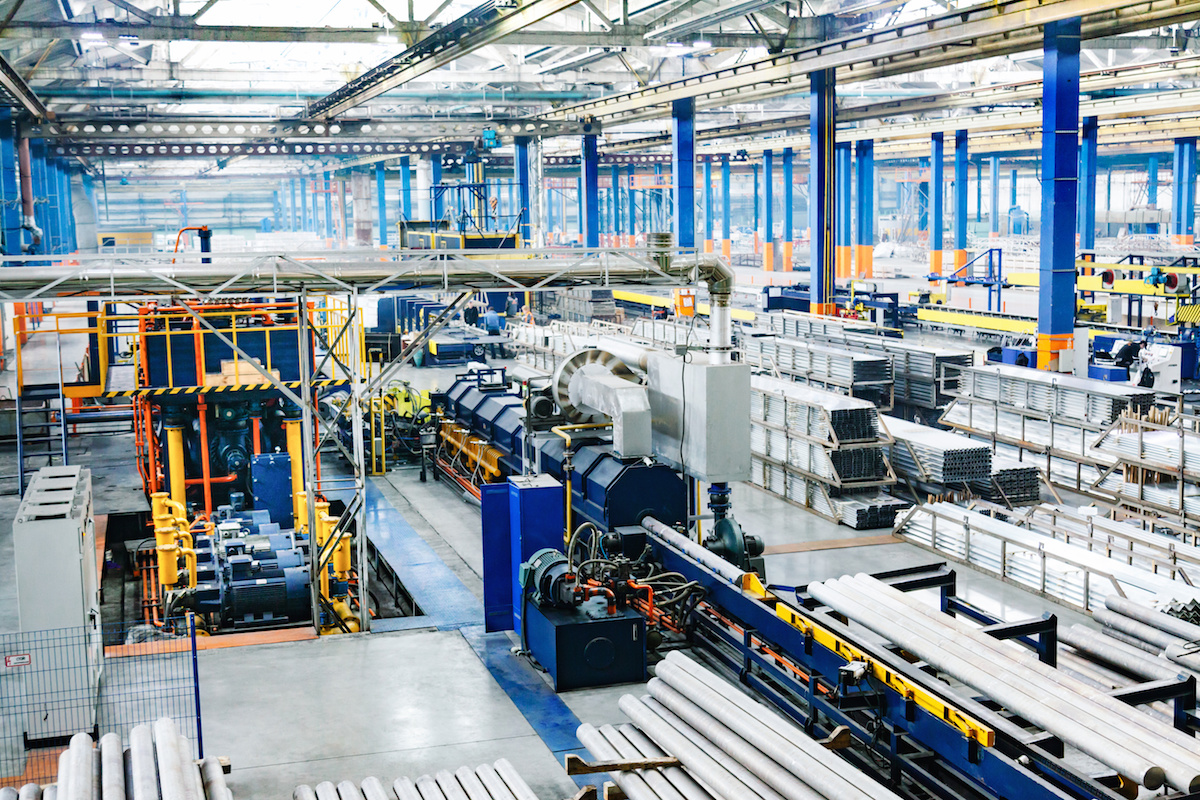
I was recently fortunate enough to be invited to a factory tour of a prominent manufacturer within the industry. It’s an admittedly fun part of the job, that provides peak behind the curtain and a real look into how things are made.
While this factory has been built to produce tiles, and the manufacturer is traditionally known for being in that bricks, blocks and tiles space, it’s by no means the only offering the company has.
Over the years, this manufacturer, along with other key construction players, has dramatically increased the breadth and depth of products it has under its sleeve. Where it was once just able to offer some individual elements that are used in a house, it has graduated to an entire roof system that gives you everything you could ever need, even Solar PV and battery storage, which is guaranteed for 15 years. Beyond that, it is now offering a whole house system that can be used for new build or retrofit.
These services represent a shift that seems to have reached the construction industry, where manufacturers are increasingly focused on solutions and systems rather than individual products. Think of it as looking at how the pieces of a jigsaw puzzle relate to the overall image on a box, rather than just staring at an individual piece and hoping it fits where you’ve put it. Why the change, you may ask. Well, our industry is one that’s going through an extreme transformation period. You’re probably all sick to death of hearing about the Future Homes Standard and Net Zero 2050 goals, but they are on the way. If we’re going to be capable of delivering these new requirements, the ways in which we work are going to have to keep changing, as we try to meet stricter energy efficiency criteria.
At the same time, other restrictions are tightening. The Building Safety Act requires a Golden Thread of information, one that backs up each decision made and is designed to prevent tragedies like that of Grenfell Tower. It’s this, along with savvier homeowners with evolving sensibilities that creates the need for guarantees, EPDs and all the rest. Bills have never been higher. Couple that with a cost of living crisis and a troubled homebuying market and the result is potential buyers who want to ensure they’re getting their money’s worth.
It must be said that it’s not just down to the new build market to transform our housing stock. The word retrofit seems to have this bogeyman quality to it. But it doesn’t have to.
Despite what the naysayers proclaim, heat pumps can work in pre existing homes. In fact, I went to a friend’s house in Leeds recently. We got on the topic of sustainable heating and I oh so assuredly claimed that they’d never be able to get a heat pump to work in this house (early 20th century, high ceilings and a small back garden among other things). I was smugly told to go out the back door and look above the kitchen window, where they’d deftly installed one. The builder they’d worked with had treated the house like a problem to solve, rather than something broken that was impossible to fix. With extra insulation, solar PV and battery storage, they’re now more than future ready.
While there will be homes out there that will really struggle to get a heat pump going and see the benefits of it, the conversation doesn’t need to stop there. With whole house approaches, there’s a vast wealth of homes waiting to be upgraded, not just built from scratch.